
Fruit and Vegetable Exports
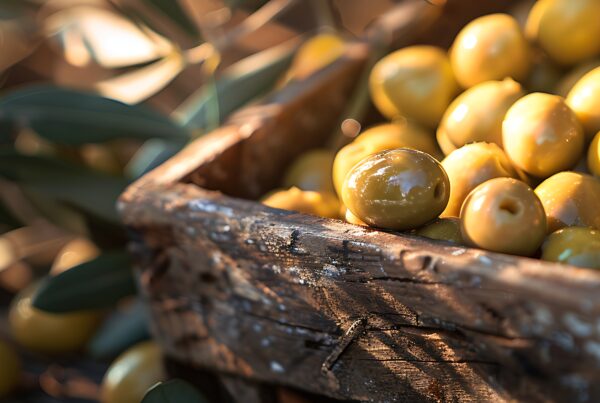
Fruit and vegetable exports in Tunisia represent today one of the most dynamic and promising pillars of the national economy. Deeply rooted in Tunisian agricultural expertise, this sector combines tradition and innovation to meet the demands of a constantly evolving global market.
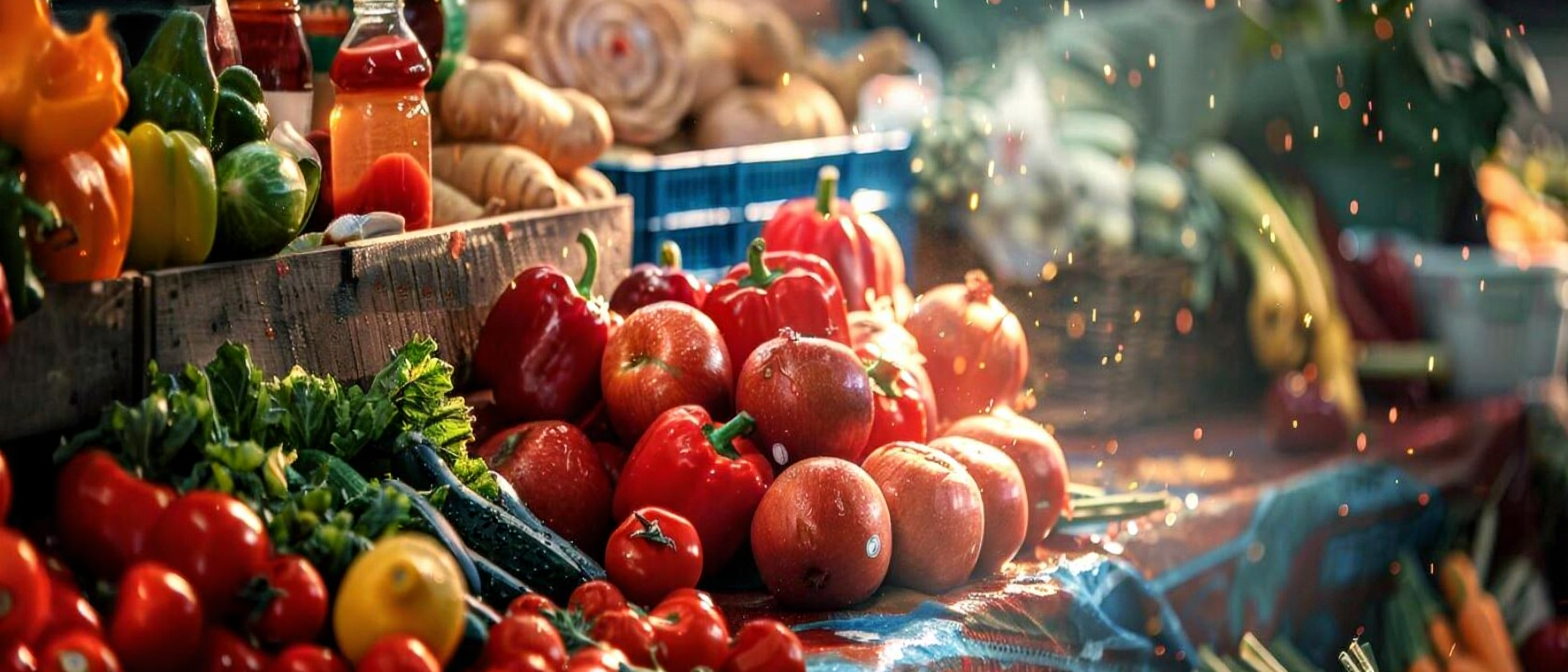
Thanks to its favorable Mediterranean climate, fertile land, and the technical mastery of its producers, Tunisia has established itself as a recognized player in international agri-food trade. Every year, thousands of tons of Tunisian fruits and vegetables : dates, citrus fruits, tomatoes, peppers, pomegranates, and other organic products are exported to strategic destinations such as Europe, the Middle East, and Africa. This momentum reflects the country’s ability to produce high-quality food products while complying with international standards.

1. Developing a clear and sustainable export strategy
Succeeding in fruit and vegetable exports in Tunisia first requires a strong strategic vision. Companies must identify target markets based on seasons, consumer preferences, and existing trade agreements.
a. International market analysis
Understanding the specific needs of each country is the first step toward a successful export strategy. Each market has its own requirements, tastes, and regulations. For example, the United Arab Emirates favor premium, organic, and high value-added products aimed at a demanding clientele. In contrast, European markets emphasize strict compliance with sanitary standards, traceability, and recognized certifications.
b. Product differentiation
In a highly competitive international market, standing out is essential. To succeed in fruit and vegetable exports in Tunisia, exporters must leverage the country’s unique strengths: product freshness, nutritional value, and above all, Tunisian origin — a symbol of Mediterranean terroir. Highlighting these elements through strong storytelling and attractive packaging helps position Tunisian products as authentic, natural, and flavorful.
c. Sustainable partnerships
Long-term success in exports relies on building strong and lasting relationships with international partners. Collaborating with reliable distributors, specialized importers, or major retail chains ensures stable and continuous market presence. These partnerships go beyond sales; they encourage knowledge sharing, volume planning, and continuous quality improvement.
2. Obtaining international certifications and labels
Certifications are a key success factor in fruit and vegetable exports in Tunisia. They confirm compliance with international standards and reassure foreign clients regarding product quality and safety.
Among the most important are:
- Global GAP: an essential certification for accessing European markets, guaranteeing safe, sustainable, and traceable agricultural practices.
- CCPB or Ecocert: organic labels that enhance environmentally friendly, pesticide-free products.
- ISO 22000 and HACCP: standards related to food safety and risk management throughout the production chain.
These certifications are not mere administrative formalities; they are powerful marketing tools that allow Tunisian exporters to demonstrate professionalism, rigor, and a strong commitment to quality.
3. Investing in efficient and responsive logistics
In fruit and vegetable exports in Tunisia, logistics play a decisive role. Agricultural products are perishable, and every minute counts. Exporters must implement suitable infrastructure to ensure freshness and safety until final delivery.


a. The cold chain
Maintaining the cold chain is essential to preserve the freshness and quality of exported fruits and vegetables. Through refrigerated transport, climate-controlled warehouses, and real-time monitoring systems, Tunisian products retain their taste and nutritional properties until they reach international markets. Strict temperature control throughout the journey helps reduce losses, extend shelf life, and strengthen international clients’ trust in the reliability of fruit and vegetable exports in Tunisia.
b. Smart packaging
Packaging plays a crucial role in logistics success. Tunisian exporters increasingly invest in recyclable and eco-designed packaging that combines aesthetics with performance. These solutions provide optimal ventilation, limit mechanical shocks, and protect products from temperature fluctuations. Beyond extending shelf life, smart packaging meets the expectations of consumers and distributors who value sustainability and environmental responsibility.
c. Modern logistics hubs
Tunisia benefits from a strategic geographic location at the crossroads of Europe, Africa, and the Middle East. This advantageous position supports the development of modern logistics hubs, enabling fast and flexible deliveries by sea, air, or road. High-performance port infrastructure (Radès, Sfax, Bizerte) and frequent air connections strengthen the competitiveness of the fruit and vegetable export sector in Tunisia. These logistical assets make Tunisia a true Mediterranean export platform capable of meeting international clients’ needs for speed and reliability.
4. The importance of traceability and international marketing
Today’s consumers want to know where their food comes from. Integrating traceability into fruit and vegetable exports in Tunisia has become essential. Modern technologies (QR codes, blockchain, digital platforms) allow products to be tracked from harvest to delivery, ensuring transparency and trust.
At the same time, a well-designed international marketing strategy helps enhance the value of Tunisian products. Attractive packaging, terroir-based storytelling, participation in trade fairs (Gulfood, Fruit Logistica, SIAL Paris), and a strong presence on B2B networks are powerful tools for promoting the “Made in Tunisia” brand.
5. The role of Tunisian companies in international success
Companies such as Sora Overseas perfectly embody the dynamism of the fruit and vegetable exports in Tunisia sector. By working with certified local producers and complying with international quality standards, these companies help strengthen Tunisia’s presence on global markets.
They invest in logistics, training, and digital communication to offer clients fresh, traceable, and sustainable products true guarantees of trust and long-term performance.
A promising future for Tunisian agricultural exports
The future of fruit and vegetable exports in Tunisia will depend on the sector’s ability to combine quality, innovation, and sustainability. By relying on solid export strategies, recognized certifications, and modern logistics, Tunisia can consolidate its position among the leaders of Mediterranean agri-food exports.
More than a commercial activity, exporting is becoming a driver of national influence, proving that Tunisia successfully combines agricultural tradition with international excellence.