
Branding Tunisian Olive Oil in Foreign Markets
Tunisian olive oil today is far more than just an agricultural product: it has become a true symbol of quality, tradition, and innovation. With ancestral know-how passed down through generations, Tunisia holds a prominent place among the world’s top olive oil producers, competing with historic countries like Spain, Italy, and Greece. This internationally recognized olive heritage stands out for its unique aromatic richness and a diversity of varieties tailored to the tastes of the most demanding consumers.

A unique history and terroir
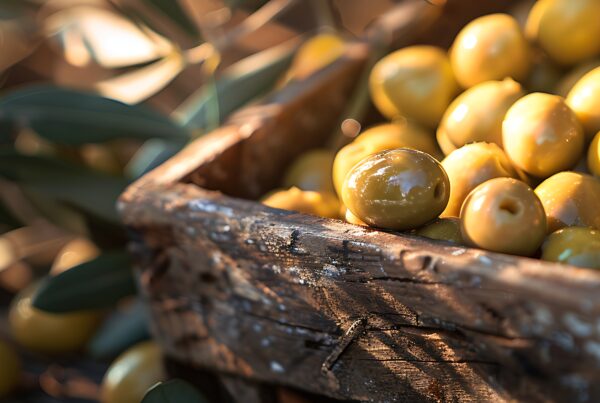
Produced for millennia, Tunisian olive oil owes its richness to the diversity of its terroirs and olive varieties. The country’s climatic conditions, combined with environmentally friendly cultivation methods, produce an oil with an authentic taste, celebrated for its fruity aromas and high antioxidant content. This uniqueness represents a major asset for its positioning in international markets.
The importance of branding to attract consumers
While quality is undeniable, the visibility of Tunisian olive oil now depends on strong branding strategies. In foreign markets, consumers are often drawn to the product’s image: modern packaging, terroir-based storytelling, quality labels, and international certifications. Effective branding differentiates Tunisian olive oil from competitors, highlights its authenticity, and attracts increasingly demanding customers, particularly in Europe, North America, and the Middle East.
The rise of premium and organic products
Global demand for organic and premium products is growing rapidly. In this context, certified organic Tunisian olive oil, such as that from CCPB-labeled producers, occupies a privileged position. Consumers seek healthy, traceable, and environmentally friendly products. Focusing on branding that highlights organic and sustainable qualities becomes a clear competitive advantage.


Challenges of international positioning
Fierce competition with well-established European brands
In international markets, Tunisian olive oil faces giants like Spain, Italy, and Greece, which benefit from a strongly established brand image and aggressive international marketing. These countries have capitalized for decades on their gastronomic heritage, protected designations of origin, and massive marketing campaigns.
Lack of recognition in emerging markets
Although Tunisian olive oil is widely recognized in markets like Europe and the United States, it remains relatively unknown in rapidly growing regions such as Asia, Sub-Saharan Africa, or Latin America. This lack of awareness limits its commercial potential, as consumers in these regions often discover olive oil through already-exported European brands.
Need to invest in digital marketing and modern distribution channels
Today, the branding battle is not fought only on store shelves but primarily online. Consumption habits are evolving rapidly: e-commerce, specialized Mediterranean marketplaces, social media, and culinary influencers shape purchasing decisions. To increase awareness and build loyalty among new consumers, producers and exporters of Tunisian oil must invest in a strong digital presence.
Toward a strong and recognized identity
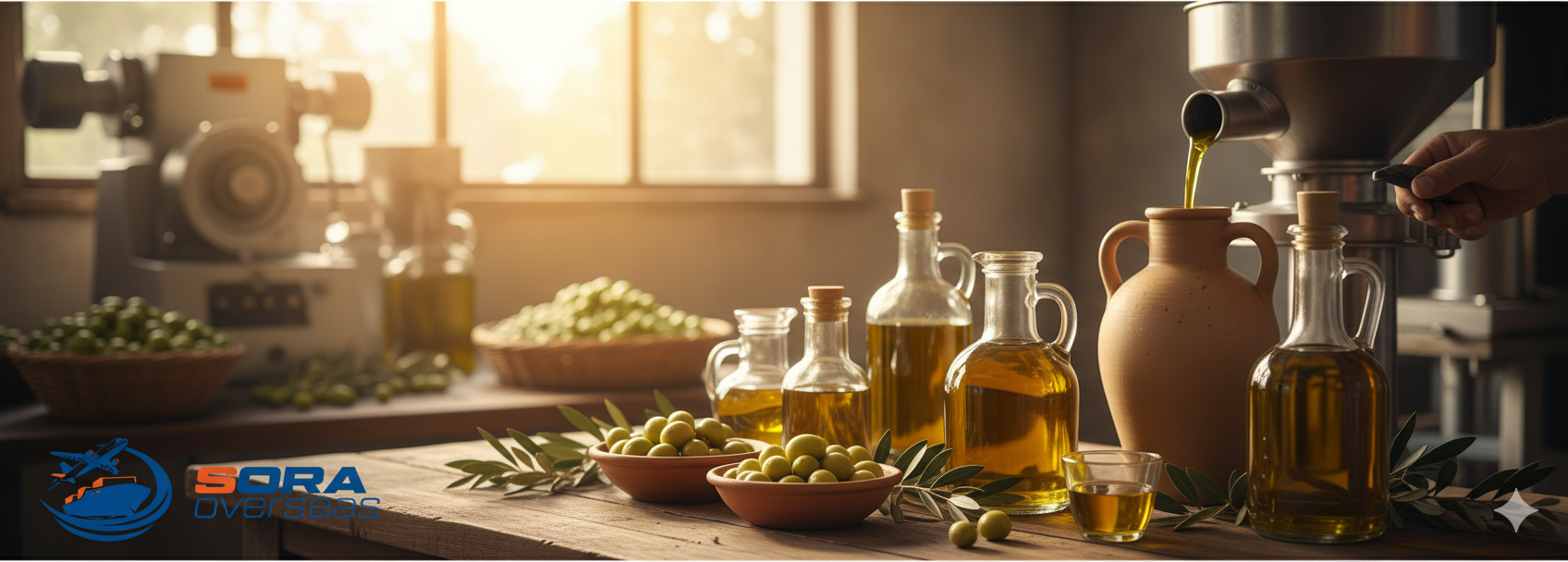
Building powerful branding means giving Tunisian olive oil a clear, memorable, and differentiating identity. Beyond simple commercialization, it is about creating a story around the product: narrating the millennial heritage of Tunisian olive groves, highlighting the artisanal expertise of producers, and showcasing the richness of the terroir. Communication campaigns must capitalize on this authenticity while adopting modern, international codes to appeal to a diverse clientele.
Strategic partnerships with foreign importers, participation in global trade fairs, and the creation of premium brands further strengthen this identity. The “Made in Tunisia” origin should not merely be a label but a true guarantee of quality, trust, and prestige in foreign markets.
A promising future for Tunisian olive oil
The international future of Tunisian olive oil relies on a delicate balance between tradition and modernity. While the product’s exceptional quality and aromatic richness are undeniable assets, they must be supported by an ambitious and coherent branding strategy. This approach includes innovation in packaging, digitalization of marketing campaigns, and greater visibility on e-commerce platforms and social media.