

A product of excellence at the heart of Tunisian identity
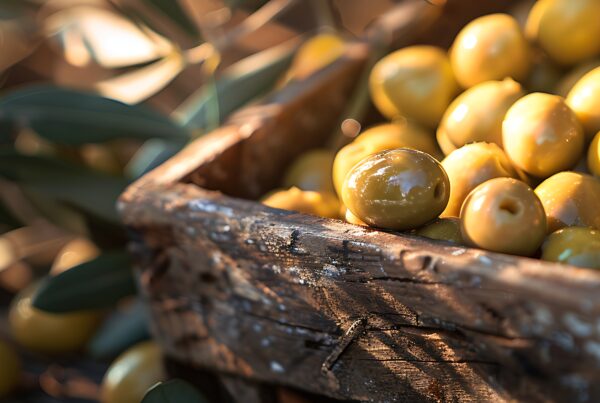
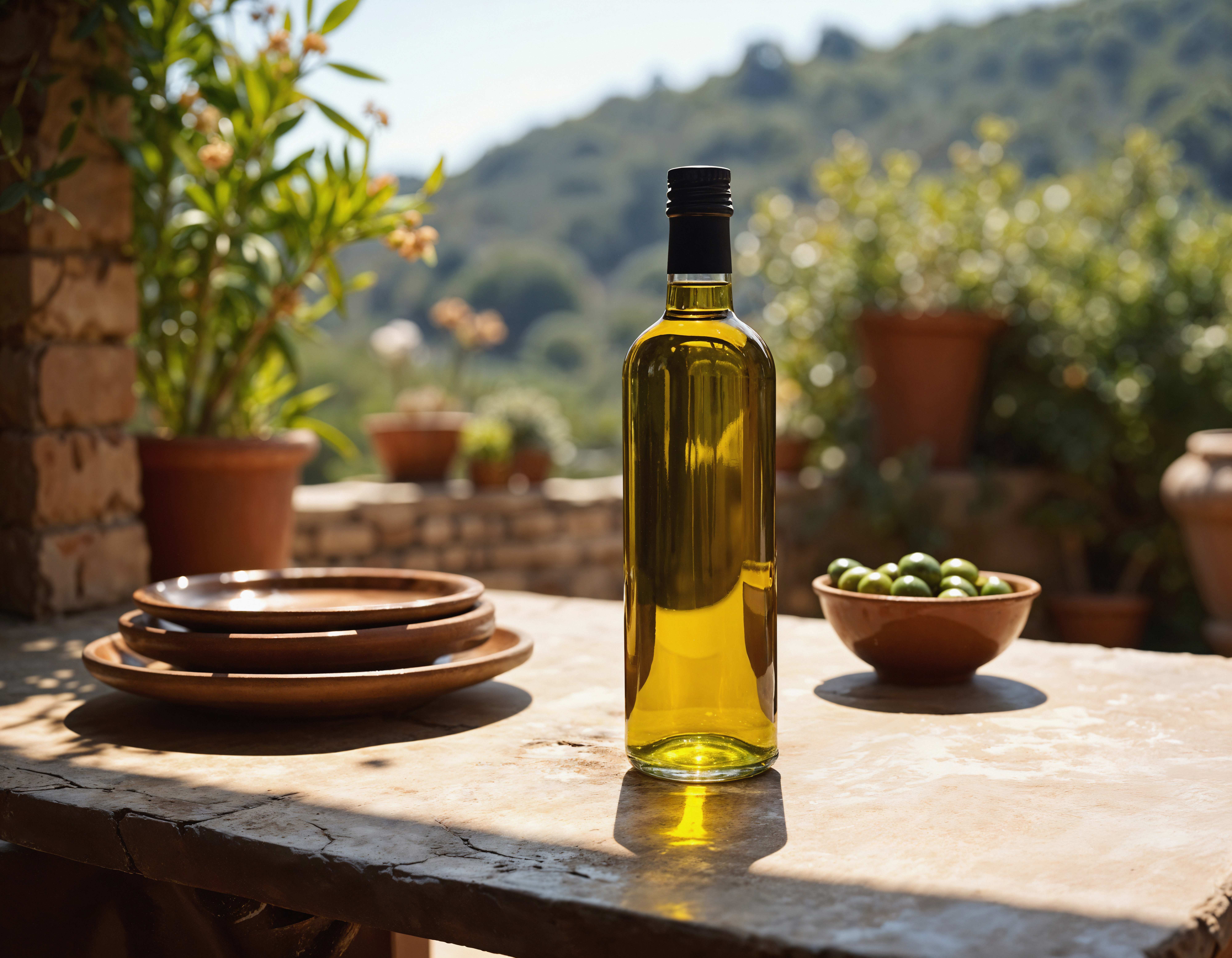
Tunisian olive oil has always embodied quality, tradition, and Mediterranean know-how. A symbol of the Tunisian way of life, it reflects a millennia-old history shaped by generations of passionate olive growers deeply connected to the land. Recognized for its purity, rich aroma, and nutritional benefits, this oil has become one of the flagship products of Tunisian agriculture.
However, as international markets become more demanding, Tunisian oil is entering a new era. Consumers now seek traceable, sustainable, and authentic products. In response, Tunisia, already a major exporter, must strengthen its strategy to combine excellence, transparency, and innovation.

A strategic sector in full transformation
Tunisia ranks among the largest producers and exporters of olive oil worldwide. Every year, Tunisian olive oil is exported to over 60 countries, making a significant contribution to the national economy. Yet the global context is evolving: consumers now demand traceable, environmentally friendly, and socially responsible products.
This shift pushes Tunisian producers to modernize their practices, invest in tracking technologies, and commit to sustainable approaches.
Traceability: a mark of trust for international markets
Traceability has become a key competitiveness factor. For Tunisian olive oil, it ensures the origin, quality, and compliance of the product at every stage — from grove to packaging. Thanks to new technologies such as QR codes and blockchain platforms, consumers can now know the full story behind their bottle of olive oil: the region of origin, olive variety, harvesting method, and pressing date.
Levers for a sustainable and competitive future
International certification and standardization
International certifications have become a true passport for export. Obtaining and maintaining recognized labels such as ISO 9001, CCPB (for organic products), or Ecocert ensures that Tunisian olive oil meets the strict requirements of European, American, or Asian markets. For Tunisian olive oil exporters, these certifications are powerful commercial arguments, proof of commitment, and trust-building tools for partners and foreign distributors.
Digitalization of the production chain
The adoption of digital tools is transforming olive oil management. Connected tracking systems, blockchain, and agricultural mobile apps now allow tracing every stage of the production cycle: planting, harvesting, extraction, packaging, and shipping.
Training and support for producers
To maintain the distinction of Tunisian olive oil, investing in human capital is essential. Producers, millers, and exporters must receive support in mastering new technologies, international standards, and sustainable farming techniques.
Eco-friendly packaging and green marketing
Presentation matters as much as content quality. Today’s consumers seek products reflecting their ecological values. Investing in eco-friendly packaging recycled glass bottles, biodegradable labels, minimalist packaging enhances the positive perception of Tunisian olive oil.
International promotion
Visibility drives recognition. For Tunisian olive oil to succeed globally, targeted promotional actions are essential. Participating in international fairs (SIAL Paris, Gulfood Dubai, Anuga Cologne), competing in olive oil competitions, and running digital campaigns on social media showcase the exceptional quality of Tunisian products.


Tunisian agriculture : Producers and exporters of olive oil
Climate change, water scarcity, and soil degradation require new agricultural practices. Tunisian oil must now adhere to sustainability principles, based on responsible agriculture. This includes promoting efficient irrigation, limiting chemical use, and encouraging certified organic cultivation. Increasingly, Tunisian farms adopt eco-friendly production models and integrate organic labels (such as CCPB or Ecocert), ensuring full compliance with environmental standards.
The key role of Tunisian exporters
Tunisian olive oil exporters play a central role in this transformation. By working closely with producers, they ensure product compliance, international certification, and the promotion of a modern image of Tunisian olive.
These players increasingly invest in ecological packaging, green logistics, and the valorization of the “Made in Tunisia” brand. Their mission goes beyond sales: it is about building a strong, credible national brand in foreign markets.
Innovation serving transparency and quality
The future of Tunisian olive oil also relies on innovation. New technologies enable real-time data collection, crop monitoring, and digital certification of exported batches.
Tunisian startups and laboratories are developing connected solutions to monitor oil quality and reduce losses across the logistics chain. These advances position Tunisia as a pioneer in agri-tech applied to the oil sector.
A model for a sustainable future
The future of Tunisian oil depends on a clear vision: produce better, export intelligently, and preserve natural resources. By combining traceability, innovation, and sustainability, Tunisia can solidify its position among global leaders while meeting the expectations of responsible consumers.
Driven by this new dynamic, Tunisian oil exporters have the opportunity to transform an iconic product into an ambassador of Tunisian excellence. More than a simple regional product, Tunisian olive oil becomes a symbol of commitment, transparency, and national pride.