

Tunisian exports: a driver of visibility and growth
Being a Tunisian exporter is much more than a commercial activity: it is the showcase of a dynamic, competitive country open to international markets. Thanks to its strategic geographical position between Europe, Africa, and the Middle East, Tunisia has established itself as a key player in the export sector. Its economy is built on a diversity of high-performing industries: agriculture, agri-food, industry, textiles, and technologies making Tunisian exports a true engine of growth and innovation.
With the rise of exporting companies and the internationally recognized quality of its products, Tunisia strengthens each year its image as a reliable and competent partner on the global economic stage.

A country at the heart of international trade
Tunisia has built a strong reputation in the field of import-export in Tunisia, thanks to preferential trade agreements with the European Union, Arab countries, and Africa. These partnerships facilitate access for Tunisian products to competitive and diversified markets.
Being a Tunisian exporter means benefiting from a favorable environment: modern infrastructure, efficient ports, skilled labor, and recognized expertise. Today, Tunisian companies of all sizes successfully export to destinations such as France, Italy, the United Arab Emirates, Saudi Arabia, and Canada.
Agriculture : a central pillar of Tunisian exports
Diverse and competitive products
Tunisia offers an impressive range of exportable agricultural products. Its Deglet Nour dates, globally renowned for their sweet taste and melting texture, are joined by fragrant citrus fruits, juicy pomegranates, cherry tomatoes, colorful peppers, artichokes, and flavorful melons. This diversity enables fruit and vegetable exports from Tunisia to meet the needs of a wide international clientele, from European retail chains to growing African markets and premium distributors in the Middle East.
Controlled agricultural practices
Tunisian producers have modernized their methods without abandoning tradition. Rational irrigation optimizes water use in a context of water scarcity, while certified seeds improve crop resistance. Farms comply with strict phytosanitary protocols, ensuring product safety and compliance with international standards. This expertise gives Tunisian products a reputation for consistent and reliable quality.
Quality labels and certifications
Internationally recognized certifications such as CCPB, Ecocert, and Global GAP are strong guarantees of compliance and professionalism. These labels confirm adherence to good agricultural practices, sustainability, and traceability. They open doors for Tunisian exporters to demanding markets in the European Union, North America, and the Gulf, where transparency and food safety are top priorities.
Optimized logistics
The success of fruit and vegetable exports from Tunisia also relies on high-performing logistics infrastructure. Continuous cold chains, refrigerated trucks and containers, and smart packaging ensure that products retain freshness, appearance, and nutritional value until they reach international shelves. This logistical expertise, supported by modern ports and a strategic geographic location, strengthens Tunisia’s competitiveness worldwide.


A commitment to sustainability
Aware of climate and environmental challenges, Tunisia is moving toward sustainable and responsible agriculture. Producers are adopting practices that limit chemical inputs, promote organic fertilization, and enhance local resources. The growth of organic farming and integrated production systems reflects a national commitment to preserving biodiversity while delivering healthy, high-quality products.
Tunisian olive oil : the green gold of exports
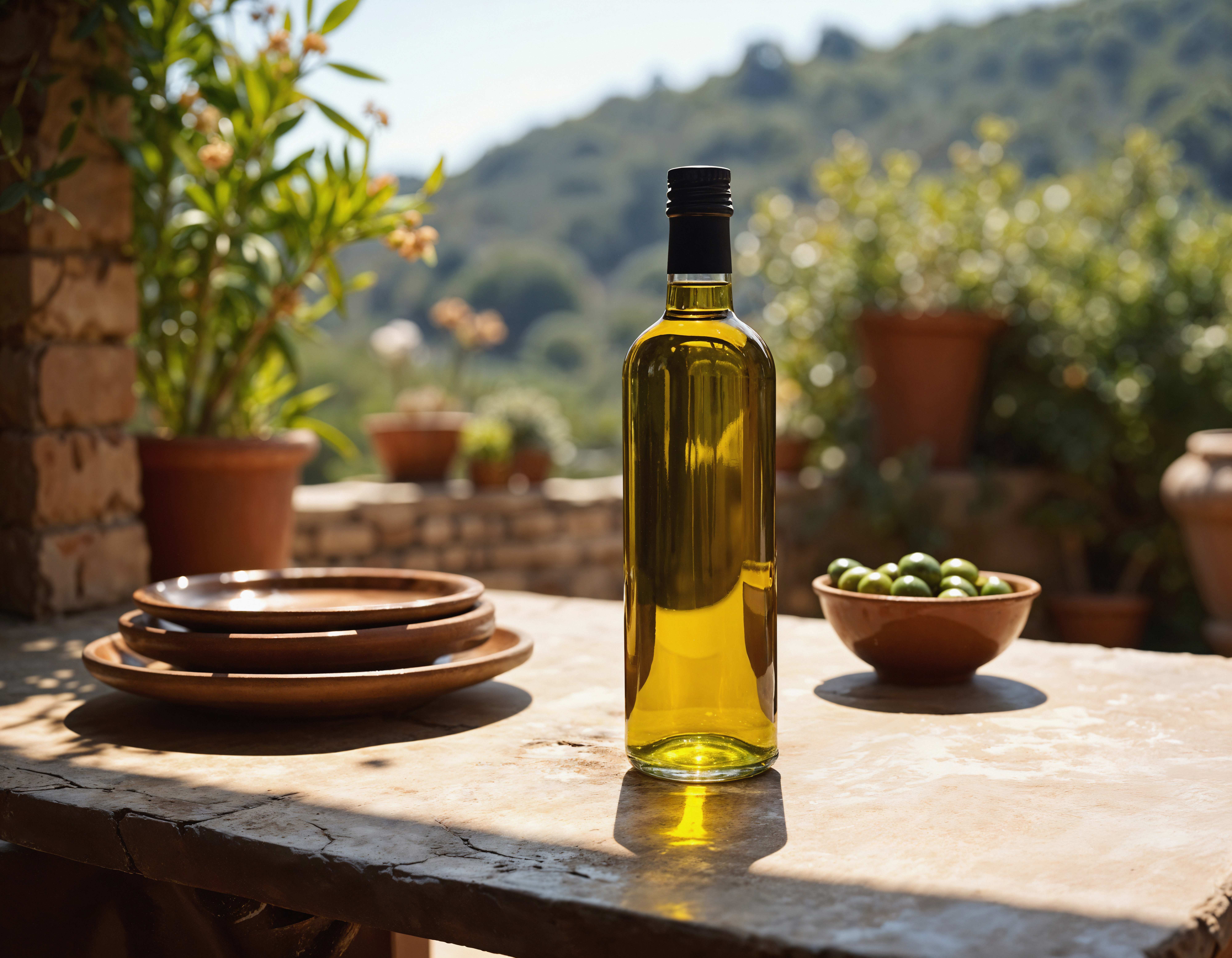
Among Tunisia’s flagship products, Tunisian olive oil holds a place of honor. Tunisia ranks among the world’s top three producers and stands out as a leading Tunisian olive oil exporter.
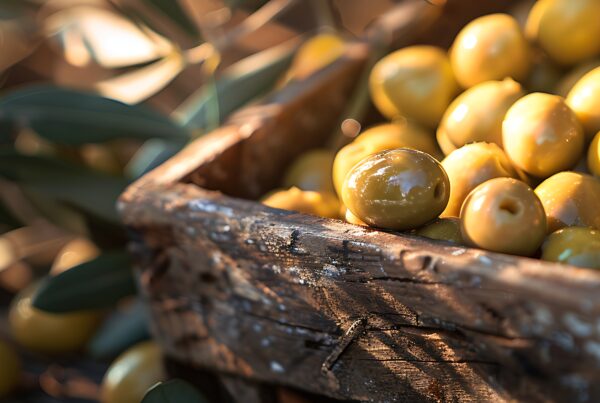
Its success is built on a unique combination of tradition and innovation: centuries-old olive groves, ancestral know-how, and modern extraction methods ensure an exceptional olive oil appreciated across all continents.
Export sector diversification
Being a Tunisian exporter goes far beyond agriculture. Several sectors actively contribute to the growth of Tunisian exports:
- Mechanical and electrical industries: Tunisia exports automotive components and high-tech equipment.
- Textiles and apparel: recognized expertise focused on quality and ethical production.
- Technologies and digital services: Tunisian companies are increasingly prominent in web development, digital solutions, and software engineering, strengthening the innovative dimension of “Made in Tunisia”.
This diversification positions Tunisia as a competitive and attractive regional hub for international trade.
Key success factors for Tunisian exports
International certifications (ISO, Global GAP, Ecocert)
Obtaining globally recognized certifications is a powerful competitiveness lever for Tunisian companies. Labels such as ISO 9001 for quality management, Global GAP for agricultural best practices, and Ecocert for organic farming ensure compliance with the highest international standards. These certifications enhance the credibility of Tunisian exporters and facilitate access to high-value markets such as the European Union, North America, and Gulf countries.
Modern logistics with a controlled cold chain and efficient port infrastructure
Efficient, well-structured logistics are at the core of successful Tunisian exports. With a fully controlled cold chain, fresh products, fruits, vegetables, and olive oil maintain their quality throughout transportation. Modern port infrastructures in Radès, Sfax, Bizerte, and Gabès, along with regular air connections to major capitals, ensure fast and secure deliveries.
Digital communication, essential for promoting Tunisian brands globally
In the digital era, online visibility is a decisive success factor for every Tunisian exporter. Companies investing in international digital strategies, multilingual websites, social media campaigns, SEO, and B2B e-commerce strengthen brand awareness and multiply business opportunities. Digital platforms allow not only global product promotion but also direct relationships with international clients.
The future of Tunisian exports: sustainable and competitive
The future of Tunisian exports looks promising. By investing in traceability, organic products, and environmental sustainability, Tunisia strengthens its competitiveness and attracts new markets sensitive to quality and social responsibility.
The country’s ambition is clear: to position Tunisian expertise as a reference in the MENA region and on the international stage. Thanks to the perseverance of Tunisian exporters, the “Made in Tunisia” brand stands as a symbol of trust, authenticity, and excellence.